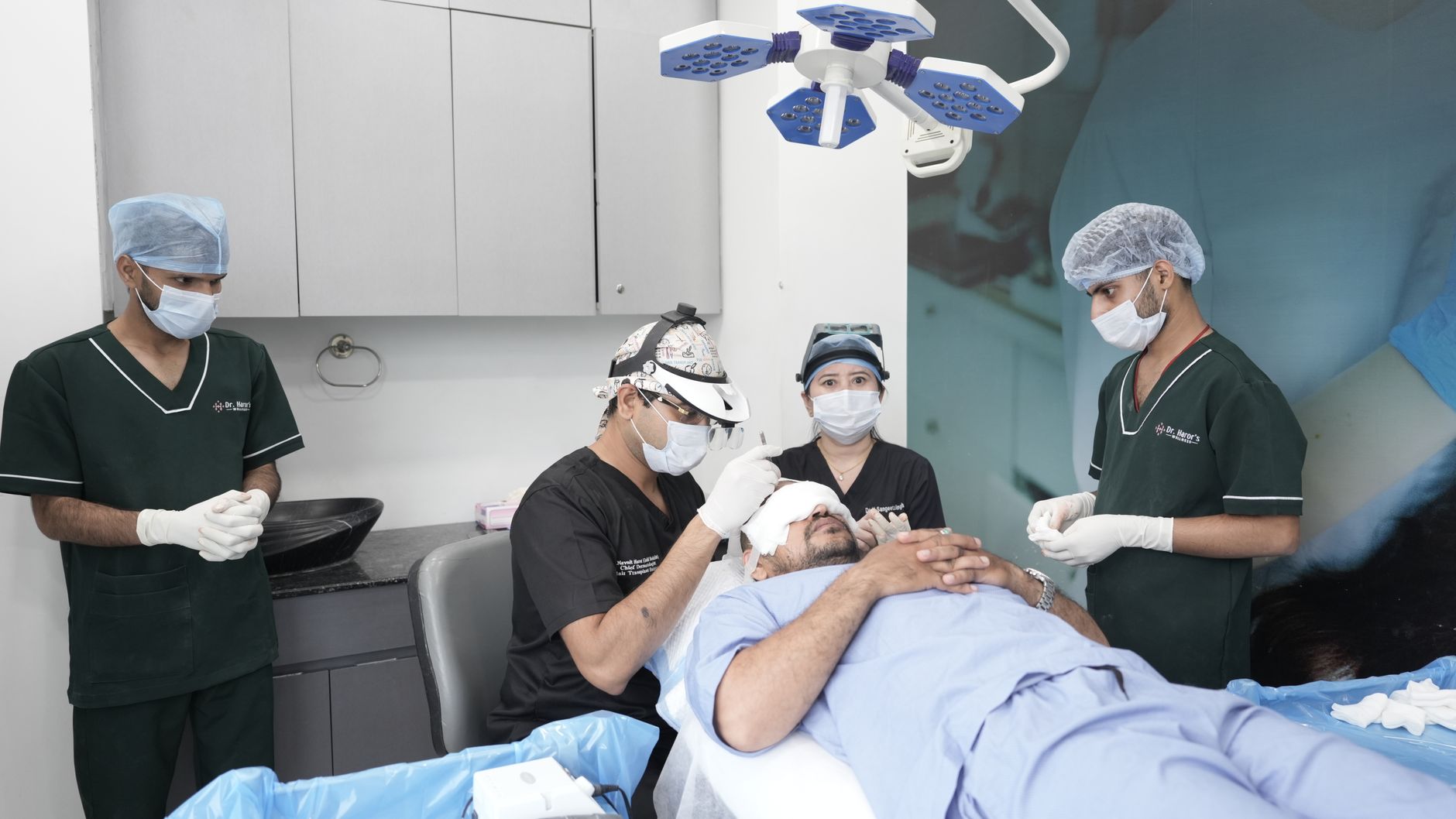
Board-Certified Plastic Surgeon vs. Cosmetic Surgeon in Texas: What Patients Must Know
By The Oaks Plastic Surgery12 min read
In Texas, a board-certified plastic surgeon has completed 6-8 years of post-medical-school surgical training and passed rigorous American Board of Plastic Surgery exams. A "cosmetic surgeon" has no standard definition under Texas law. Any MD can use that title. For complex procedures like rhinoplasty or abdominoplasty, ABPS board certification is the safer, more verifiable credential.
What Do These Titles Actually Mean in Texas?
The word "cosmetic surgeon" sounds precise. It is not. Under Texas law, no regulatory body restricts that title to physicians with any specific training background, physicians from any background, including gynecology, dermatology, or internal medicine, can call themselves "cosmetic surgeons" and perform procedures with little to no formal surgical training. A board-certified plastic surgeon holds certification from the American Board of Plastic Surgery (ABPS), one of the boards recognized by the American Board of Medical Specialties (ABMS) (abms.org). A physician advertising as a "cosmetic surgeon" in Houston may hold ABPS certification, or may hold a license in dermatology, obstetrics, or general surgery with limited additional training. The Texas Medical Board does not verify or restrict use of that title. Patients cannot distinguish between the two based on a job title alone, which is why credential verification is not optional.
Why the American Board of Cosmetic Surgery Is Not the Same as ABPS
The American Board of Cosmetic Surgery (ABCS) was created as an alternative pathway for physicians outside formal plastic surgery residency training. The critical fact: the ABCS is not recognized by the ABMS, the gold standard credentialing body for physician specialties in the United States. That distinction matters because ABMS recognition requires programs to meet standardized training benchmarks, case volume minimums, and continuing certification requirements that non-recognized boards are not held to. ABPS surgeons must complete substantial ACGME-approved surgical training followed by ACGME-accredited plastic surgery residency, with specific requirements varying by training pathway (abplasticsurgery.org). ABCS-certified physicians may have completed a cosmetic fellowship without completing a plastic surgery residency at all. Patients searching for verified credentials should look specifically for "ABPS" and confirm at certificationmatters.org, the official ABMS physician lookup tool.
What Texas Law Says About Cosmetic Procedure Advertising
Texas Medical Board Rule 164.4 (22 TAC §164.4) governs board certification in physician advertising; it restricts physicians from using the term "board certified" unless the certifying organization is recognized (e.g., ABMS, BOS, or ABOMS), but it does not affirmatively require physicians to disclose their board certification status in advertising. A physician advertising as a "cosmetic surgeon" without ABMS-recognized board certification is operating legally but without standardized training verification). The title cosmetic surgeon by itself is less specific than board-certified plastic surgeon, and Texas law does not close that gap. Patients can file complaints with the Texas Medical Board if advertising is deemed misleading, but the burden of investigation falls on the consumer. Houston's dense aesthetic market, which includes hundreds of med spas, cosmetic clinics, and surgical practices across the Museum District, the Galleria, and the Medical Center, makes this verification step more consequential, not less. Knowing where to look before booking a consultation protects patients from making an irreversible decision based on incomplete information.
How Training and Experience Differ Between the Two
Board-certified plastic surgeons complete a minimum of 6-8 years of post-medical-school surgical training before independent practice. This includes foundational surgical residency, comprehensive plastic surgery residency, and in many cases additional fellowship specialization. A board-certified plastic surgeon has completed formal plastic surgery training and passed certification in plastic surgery from a recognized specialty board). Cosmetic surgeons without ABPS certification may have completed as few as 1-2 years of fellowship training in cosmetic procedures. That is not a moral judgment. It is a factual difference in exposure to surgical volume, complication management, and clinical decision-making under pressure. Surgical complication management is a core component of plastic surgery residency. Alternative cosmetic training pathways may not emphasize it.
The cosmetic surgeon title may refer to a physician from many different backgrounds who performs cosmetic procedures). An OB/GYN, a dermatologist, or a family medicine physician can legally perform liposuction in Texas and market themselves as a cosmetic surgeon. Some non-ABPS providers are genuinely skilled in a narrow range of procedures. The problem is that patients have no standardized way to evaluate that skill. ABPS certification provides a verifiable, publicly searchable credential. The cosmetic surgeon title alone does not guarantee plastic surgery residency training or the same board certification). That gap matters most when something goes wrong and the surgeon must make complex intraoperative decisions.
Which Procedures Require the Highest Level of Surgical Training?
Not every cosmetic treatment carries equal risk. The stakes scale with surgical complexity. Rhinoplasty is considered one of the most technically demanding cosmetic procedures in plastic surgery training, requiring precise understanding of nasal anatomy, structural support, and airway function. Abdominoplasty and body lift procedures involve managing large tissue planes, blood supply, and drainage systems simultaneously. Mommy makeover combinations, pairing breast augmentation with a tummy tuck, require managing multiple simultaneous surgical sites, a skill set developed through full residency training, not a short fellowship. ABPS-certified plastic surgeons are required to train in breast reconstruction after cancer, trauma repair, and revision/secondary surgery as part of their residency curriculum; by contrast, the American Board of Cosmetic Surgery (ABCS) explicitly excludes repairs or reconstruction of trauma from its qualifying operative logs, and the generic title "cosmetic surgeon" carries no standardized training requirement under Texas law, meaning these reconstructive competencies are not required for ABCS certification or for anyone using the unregulated "cosmetic surgeon" title. At the other end of the spectrum, minimally invasive procedures like Botox injections and dermal fillers carry lower risk profiles and may be safely performed by non-ABPS providers under appropriate medical supervision. The procedure, not personal preference, should determine the credential minimum.
Board-Certified Plastic Surgeon vs. Cosmetic Surgeon: Side-by-Side Comparison
The table below compares the two credential categories across the criteria Houston patients most commonly evaluate when choosing a provider. Plastic surgeon usually signals specific, accredited specialty training, whereas cosmetic surgeon alone does not guarantee plastic surgery residency training or the same board certification). Use this as a starting checklist, not a final answer.
| Criteria | Board-Certified Plastic Surgeon (ABPS) | Cosmetic Surgeon (Non-ABPS) |
|---|---|---|
| Certifying Body | American Board of Plastic Surgery (ABMS-recognized) | American Board of Cosmetic Surgery (NOT ABMS-recognized) or none |
| Training Length | 6-8 years post-medical school (residency + fellowship) | Varies widely; as few as 1-2 years cosmetic fellowship |
| Texas Legal Title Protection | None; any MD can use "cosmetic surgeon" | None; title is unregulated in Texas |
| Credential Verification | Verifiable at certificationmatters.org (ABMS) | No standardized public verification database |
| Reconstructive Capability | Yes; trained in cancer reconstruction, trauma, revision | Typically no reconstructive training |
| Hospital Privileges | Generally required and maintained | Often unavailable or not required |
| Scope of Surgical Procedures | Full cosmetic and reconstructive spectrum | Limited to elective cosmetic procedures |
| Regulatory Oversight | Texas Medical Board + ABMS continuing certification | Texas Medical Board license only |
| Best For | Surgical procedures, complex cases, reconstruction | Limited non-surgical or low-complexity cosmetic treatments |
Pros and Cons of Choosing a Board-Certified Plastic Surgeon (ABPS)
That difficulty is the point. Surgeons who earn ABPS certification have demonstrated competency across a broad surgical curriculum, not just in the procedures they prefer to perform.
Pros:
- Standardized, ABMS-recognized training with verifiable credentials at certificationmatters.org
- Trained in both cosmetic and reconstructive procedures, covering a wider range of patient needs
- Required to maintain hospital privileges in most cases, enabling inpatient care access if complications arise
- Continuing Medical Education requirements keep skills and techniques current
- Reconstructive capability for post-cancer, post-trauma, and revision cases
Cons:
- Consultations and procedures may cost more than non-ABPS providers
- Wait times for top surgeons in competitive markets like Houston can be longer
- Not all ABPS surgeons specialize in the same procedures; subspecialty matters within the credential
Pros and Cons of Choosing a Non-ABPS Cosmetic Surgeon
Some non-ABPS providers focus intensely on a narrow procedure set and develop genuine proficiency over years of repetition. That specialization can produce good outcomes in low-complexity treatments. The risks, though, are structural.
Pros:
- May offer lower price points on common procedures like Botox, fillers, and basic liposuction
- Can be highly experienced in a narrow set of specific cosmetic treatments
- Shorter wait times in many cases
Cons:
- No standardized training pathway or ABMS-recognized credential verification
- Texas law permits the title with no minimum cosmetic surgery training requirement
- May lack hospital privileges, limiting care options if complications require inpatient treatment
- Reconstructive capabilities are typically absent, creating gaps if revision surgery is needed
- No publicly searchable database to verify training claims
How Houston Patients Should Verify a Surgeon's Credentials
Verification is straightforward when you know where to look. Start with certificationmatters.org, the official ABMS physician lookup tool, to confirm ABPS board certification. Then check Texas Medical Board license status and any disciplinary history at profile.tmb.state.tx.us. These two steps take less than ten minutes and confirm the foundational facts. Hospital affiliation is a practical proxy for credential quality because hospitals conduct independent credentialing reviews before granting surgical privileges. A surgeon operating exclusively in a non-accredited office-based facility without hospital backup arrangements is a material risk factor, particularly for surgical procedures. In Houston's Museum District medical corridor, where aesthetic practices range from boutique med spas to comprehensive surgical centers, the credential gap between providers is wide and not always visible from a website or social media feed.
During your consultation, ask directly: "Are you certified by the American Board of Plastic Surgery?" and "Do you have active hospital privileges for this specific procedure?" A qualified surgeon will answer both questions without hesitation. Request a written treatment plan that names every provider involved in your care and their credentials. Before-and-after photo portfolios should include multiple patients per procedure with consistent lighting and comparable body types. Filtered or inconsistently lit photos, high-pressure same-day booking incentives, and reluctance to provide a surgeon's full name and medical license number before booking are all concrete red flags in the Houston cosmetic surgery market.
Red Flags to Watch for in Houston Med Spas and Cosmetic Clinics
The Houston aesthetic market is large, competitive, and largely self-regulated at the consumer level. That creates specific risks patients should recognize before committing to a provider. Aggressive discounting on surgical procedures, not injectables, signals a provider competing on price rather than outcome quality. Surgical procedures priced significantly below market averages rarely reflect efficiency gains. They typically reflect reduced overhead from unaccredited facilities, less experienced staff, or shorter operating times that may compromise patient safety. Inability or unwillingness to provide the operating surgeon's full name, medical license number, and board certification before booking is a clear problem. Performing surgical procedures in non-accredited office-based facilities without hospital backup arrangements is a safety gap, not an inconvenience. Before-and-after photos drawn from stock sources or filtered heavily are not evidence of a surgeon's actual outcomes. Results speak louder.
Which Type of Surgeon Is Right for Your Specific Procedure?
The right credential depends on the procedure. This is the question most cosmetic surgery content avoids answering directly. For surgical procedures including breast augmentation, rhinoplasty, facelift, tummy tuck, and body lift, ABPS board certification is the appropriate minimum credential. For non-surgical injectables like Botox, dermal fillers, and Kybella, a licensed and experienced injector with adequate medical supervision may be appropriate, and the ABPS credential is not a prerequisite. For combination procedures such as a mommy makeover, only an ABPS-certified surgeon has the training volume to safely manage multi-site surgical planning. Patients requiring reconstructive care after breast cancer, trauma, or a failed prior surgery should exclusively seek ABPS-certified plastic surgeons. Period.
At The Oaks Plastic Surgery, we see patients every week who arrive for a consultation having previously visited a non-ABPS provider, sometimes having already had a procedure that needs revision. Consider a patient who received liposuction in a non-accredited facility from a provider who completed a cosmetic fellowship but has no hospital privileges. When she developed a post-operative seroma requiring drainage and monitoring, her provider had no facility to manage the complication. She came to our Museum District practice for follow-up care. That scenario is not rare in Houston's saturated cosmetic market. It is preventable with upfront credential verification.
Does a Comprehensive Practice Combining Surgery, Dermatology, and Med Spa Services Offer Any Advantage?
A practice combining ABPS-certified surgeons with dermatology and med spa services enables coordinated pre-surgical skin preparation, post-surgical maintenance, and non-surgical treatments under one medical oversight structure. Patients avoid the fragmentation of managing separate providers for skincare, injectables, and surgical care. That fragmentation creates real clinical risk when, for example, a patient receives laser resurfacing from a med spa two weeks before a scheduled facelift without the surgical team's knowledge. Integrated practices in Houston's Museum District corridor typically carry higher overhead than standalone med spas, but that cost reflects coordinated care quality and reduced risk of conflicting treatment protocols. Continuity of care matters most for patients undergoing staged treatments, such as medical-grade skincare after a chemical peel series, or laser resurfacing scheduled at the appropriate interval before a facelift consultation.
The Verdict: When Each Credential Matters
The choice is not complicated once the criteria are clear. Choose an ABPS-certified plastic surgeon for any surgical procedure involving anesthesia, incisions, or tissue rearrangement. Choose a qualified licensed provider for non-surgical treatments like Botox or fillers, and confirm medical supervision exists. Never choose based on price alone for irreversible procedures. Verify credentials independently before booking any consultation. The ABMS recognizes member boards and oversees a large population of certified specialists nationally (abms.org). That gap is the whole argument.
Frequently Asked Questions
Is it legal in Texas for a non-plastic surgeon to perform cosmetic surgery?
Yes. Texas law does not restrict cosmetic surgery procedures to physicians holding ABPS certification or any specific specialty training. Any licensed MD can legally perform cosmetic procedures and market themselves as a cosmetic surgeon. The Texas Medical Board regulates licensure and conduct, not the specific title or training pathway a provider uses.
How do I verify if a Houston surgeon is truly board-certified in plastic surgery?
Visit certificationmatters.org, the official American Board of Medical Specialties physician verification tool, and search for your surgeon by name. Confirm the certifying board listed is the American Board of Plastic Surgery (ABPS). You can also check Texas Medical Board license status at lookup.tmb.state.tx.us. Ask your surgeon directly during your consultation.
What is the difference between the American Board of Plastic Surgery and the American Board of Cosmetic Surgery?
The ABPS is recognized by the American Board of Medical Specialties, the national gold standard for physician credentialing. The ABCS is not ABMS-recognized. ABPS certification requires completing an accredited plastic surgery residency plus written and oral board exams. ABCS certification was created in 1979 as an alternative for physicians outside plastic surgery residency training.
Can a cosmetic surgeon perform a tummy tuck or breast augmentation in Texas?
Yes, legally. Texas law does not prohibit non-ABPS physicians from performing surgical procedures including abdominoplasty or breast augmentation. However, these procedures carry significant complication risks and require extensive surgical training. For patient safety, only surgeons with ABPS board certification should perform these procedures, as their training includes comprehensive complication management.
Why does board certification matter more for surgical than non-surgical procedures?
Surgical procedures involve anesthesia, incisions, and tissue manipulation where intraoperative complications require immediate expert response. ABPS training includes years of complication management across diverse cases. Non-surgical treatments like Botox carry lower risk profiles and can be performed safely by licensed providers under appropriate supervision without full surgical residency training.
What questions should I ask during a plastic surgery consultation in Houston?
Ask whether the surgeon is certified by the American Board of Plastic Surgery specifically, whether they hold active hospital privileges for your procedure, and where complications would be treated. Request the operating surgeon's full name and medical license number. Ask to see before-and-after photos of actual patients with your body type and the same procedure.
How do I verify a plastic surgeon's board certification in Texas?
Search certificationmatters.org using the surgeon's full name to confirm ABPS certification status and expiration. Separately, verify Texas Medical Board licensure at lookup.tmb.state.tx.us. Both checks are free, take under ten minutes, and confirm the two most important credential facts independently of what the surgeon's own website states.
What's the difference between Texas Medical Board licensing and board certification?
A Texas Medical Board license confirms a physician has met the state's minimum requirements to practice medicine. It does not verify specialty training depth or surgical competency. Board certification from ABPS confirms a surgeon completed an accredited plastic surgery residency and passed written and oral examinations. Licensing is the floor; board certification is the standard.
Are cosmetic surgeons in Texas required to be board certified?
No. Texas does not require physicians who call themselves cosmetic surgeons to hold any specific board certification. Any licensed MD can legally perform cosmetic procedures and use the cosmetic surgeon title without ABPS or any ABMS-recognized board certification. Credential verification is entirely the patient's responsibility under current Texas Medical Board rules.
How can I check if a Texas surgeon has disciplinary actions?
Search the Texas Medical Board's public license lookup at lookup.tmb.state.tx.us. The database displays license status, disciplinary actions, board orders, and complaint history for every licensed Texas physician. Review this before any consultation. A clean record is not a guarantee of quality, but a disciplinary history is a concrete reason to reconsider.
Which boards are recognized for plastic surgery certification?
The American Board of Plastic Surgery (ABPS) is the only ABMS-recognized certifying board for plastic surgery in the United States. The ABMS currently oversees 24 member boards covering 38 specialty areas. The American Board of Cosmetic Surgery (ABCS) is not ABMS-recognized and does not hold equivalent standing. Patients should confirm ABPS specifically, not just any board name.
Sources & References
- ABMS Guide to Medical Specialties 2026[org]
- ABPS Program Directors - Clinical Rotation Requirements[org]
- Adherence of Practitioners to Updated Cosmetic Surgery Advertising Regulations - PubMed[edu]
- theoaksplasticsurgery.com[industry]
- 22 Tex. Admin. Code § 164.4 - Advertising Board Certification | LII / Legal Information Institute[factcheck]
- Look Up a License | Texas Medical Board[factcheck]
About the Author
The Oaks Plastic Surgery
The Oaks Plastic Surgery is Houston's premier aesthetic practice offering board-certified plastic surgery, dermatology, hair restoration, and med spa services in River Oaks.
Related Posts

Tummy Tuck and Liposuction Together vs. Separately: Which Approach Is Right for You?
Wondering whether to combine your tummy tuck and liposuction into one surgery or stage them separately? This guide breaks down the cost differences, safety considerations, and ideal candidacy factors so you can make a confident, informed decision before your Houston consultation.
11 min read

Breast Augmentation Total Cost in Houston: Surgeon, Anesthesia, and Facility Fees Explained
Breast augmentation in Houston typically costs between $6,500 and $12,000 when all fees are combined. This guide breaks down every cost component, from surgeon and anesthesia fees to implant costs and aftercare, so you can budget accurately and avoid surprises.
8 min read